

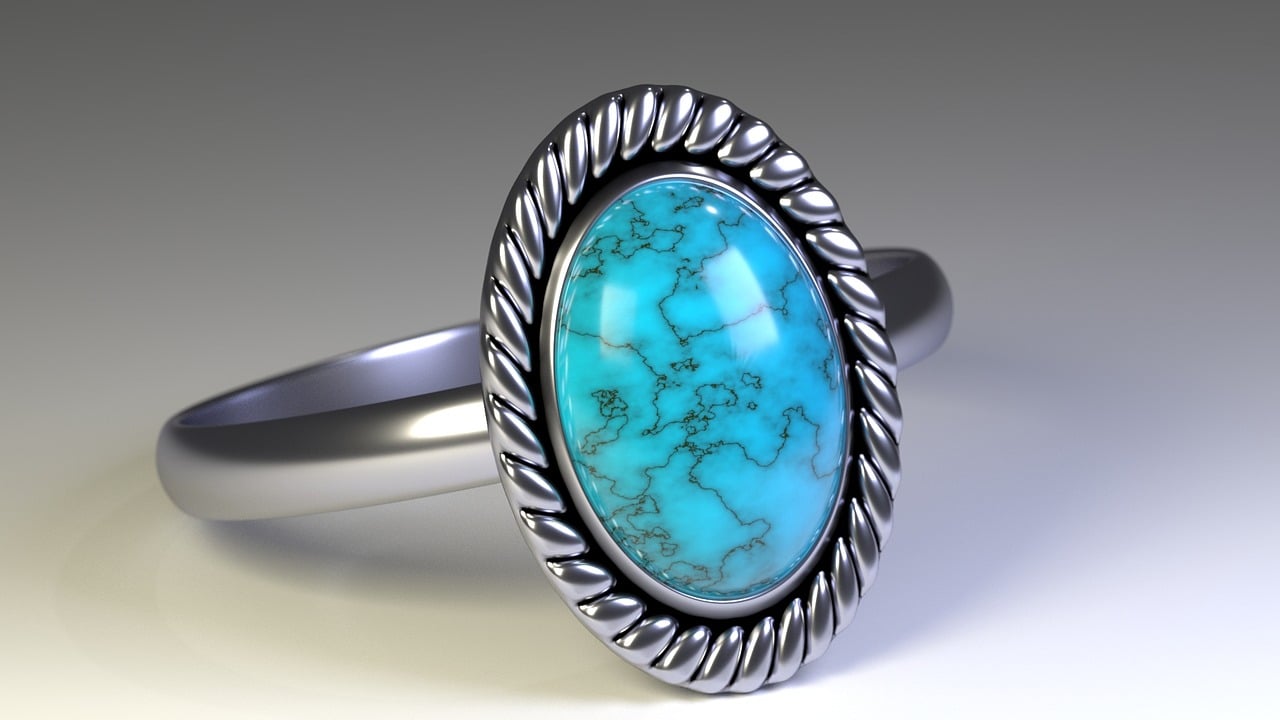
Canadian ammolite jewelry has a very specific story, and it starts right here in Alberta. It’s not just another gemstone, it’s a fossilized shell that brings colour, texture, and age to every piece it’s a part of. What makes ammolite unusual is its wide range of colour and the way it shifts in natural light. It’s bold and layered, just like the land it comes from.
Over the years, styles using this gemstone have shifted in small but noticeable ways. Designs that felt grounded in earth tones and heavy metals in past decades now often lean lighter or more refined.
Preferences change, but the stone keeps its grip on the people who see something rare in it. As late winter lingers and we look ahead to the shift into spring, this feels like a fitting time to talk about how Canadian ammolite jewelry has grown, stretched, and settled into its place.
Origins of Ammolite and Its Role in Canadian Jewellery
Ammolite comes from the fossilized shells of ammonites, prehistoric sea creatures that lived over seventy million years ago. What we now recognize as a gemstone started deep in the layers of the Bearpaw Formation, mostly in southern Alberta. Its rich colour range, often showing reds, blues, greens, and golds, makes it one of the few truly Canadian gemstones.
Once it started to appear in custom jewelry work, ammolite quickly claimed a space with its look alone. Early gem cutters worked with natural fragments, preserving the organic shapes and the raw, uneven textures. This helped shape the earliest design styles, often heavier and more rustic. Larger settings, strong metal frames, and a preference for bold contrasts helped ground these pieces visually. They were strong, with a look rooted in earth and time.
It was common for early pieces to reflect more of the stone’s untouched nature. Rather than polishing every edge or cutting symmetrical shapes, many goldsmiths left sections raw or uneven. That style choice gave each item a kind of low-key strength. Even fine pieces kept the marks of pressure, age, and stone growth.
Style Shifts Across the Decades
Once ammolite settled into broader use across Canada, styles started stretching. In the 1980s and 1990s, design leaned into bulkier pieces. Many pendants and rings had thick settings and wide borders that anchored the colour of the stone. Yellow gold was popular, and the heaviness gave each piece a feeling of age and strength.
By the early 2000s, that look began to soften. Silver became more common, and ammolite was often shaped into cleaner cuts, ovals, teardrops, or squares. Smaller sizes gained traction, and the settings lost some of their weight. That shift reflected a larger trend in design, with people leaning toward minimalism and simple lines. The stone colours were still bold, but the metal framing took a step back to let the colour surface stand out more.
Now, we see a split between styles. Some people still love a chunkier, vintage-inspired pendant or ring, while others go for a dainty chain with a bright, polished stone. Each version has its own place.
• 1980s and 1990s: Thick borders, wide bands, raw or partly polished stones
• Early 2000s: Smaller gems, more defined cuts, a mix of gold or silver metals
• Current day: Tighter settings, softer curves, more personal or symbolic approaches
Modern Use and Seasonal Considerations
As we move through February and feel the last grip of winter, ammolite jewelry continues to fit well into late-season styling. The stone’s dark edges and fiery shades match the tone of thicker coats, wool scarves, and deep-coloured layers. During colder months, jewellery needs to do more than just sparkle; it has to hold up and still be easy to wear with gloves and sleeves.
We craft pieces with secure closure styles or thicker chains that won’t tangle in heavier clothes. Bezel settings (where the metal wraps around the edge of the stone) are especially good for winter wear. They protect the edges from knocks and keep the gemstone firmly in place. Rings built for daily use in colder seasons often skip high prongs or delicate bands since those can catch or shift on cold fingers.
Some ammolite pieces shine best in winter:
• Longer pendants worn over turtlenecks or thick fabrics
• Drop earrings with tighter hooks or secure backings
• Rings with smoother edges that don’t catch on gloves
Colour choices follow that rhythm too. People often pick stones with more red or deep green during winter, blending nicely with navy coats, earth-toned wool, or even a plain black coat.
Personal and Regional Influence on Ammolite Design
Even though Canadian ammolite jewelry shows up across the country, Alberta still has a heavy hand in shaping how it’s used. When we work with clients locally, we see personal preferences closely tied to their surroundings. The way a lake shifts colour, or how a mountain looks when the sun moves, shows up in the way people choose their shapes or settings.
Some people prefer a rougher stone with layered colour and flaws left in. Others want something that mirrors a snow-dusted forest or the dark hues of frozen rock. That connection to place shows up more often than not.
Handcrafted work allows us to follow those directions clearly. Rather than falling into fixed designs or setups, we pay attention to the shades in each stone, finding or building settings around that. The end result is something that holds a bit of where the person comes from, weather, soil, and season.
• A client in southern Alberta might prefer broader pieces with reds and greens that feel like prairie light
• Northern clients often ask for shapes and colours that reflect the quiet of tree shadows or river ice
• Custom work allows for that range, where no two pieces need to come from the same idea
Looking at Style with a Longer View
Canadian ammolite jewelry has slowly grown past being a local secret. It now sits with pride as a part of Canada’s story. These pieces carry more than shape and colour. They hold age, land, and light. The ways we design them now might feel softer or more shaped, but they still follow the same core, keep the focus on the stone, and let it tell its age on its own terms.
We keep learning what works for different times of year, body shapes, and materials. What ties it all together is the care that goes into that choice, how someone wants the piece to feel, how the light moves through it, how they’ll wear it now and in years to come. That’s the part of style that doesn’t follow a trend. It roots itself in what matters and stays there.
Discover the rich history and unique beauty of Canadian ammolite jewelry at Daniel Sommerfeld Jewelry. Each piece is crafted to let the stone tell its story, showcasing the vibrant colours that reflect the heart of Alberta’s landscapes. Whether you’re drawn to a bold statement or a subtle accent, our custom designs connect you to the timeless heritage of ammolite. Let’s craft a piece that is as personal and enduring as the land it comes from. Reach out today to start your journey.