

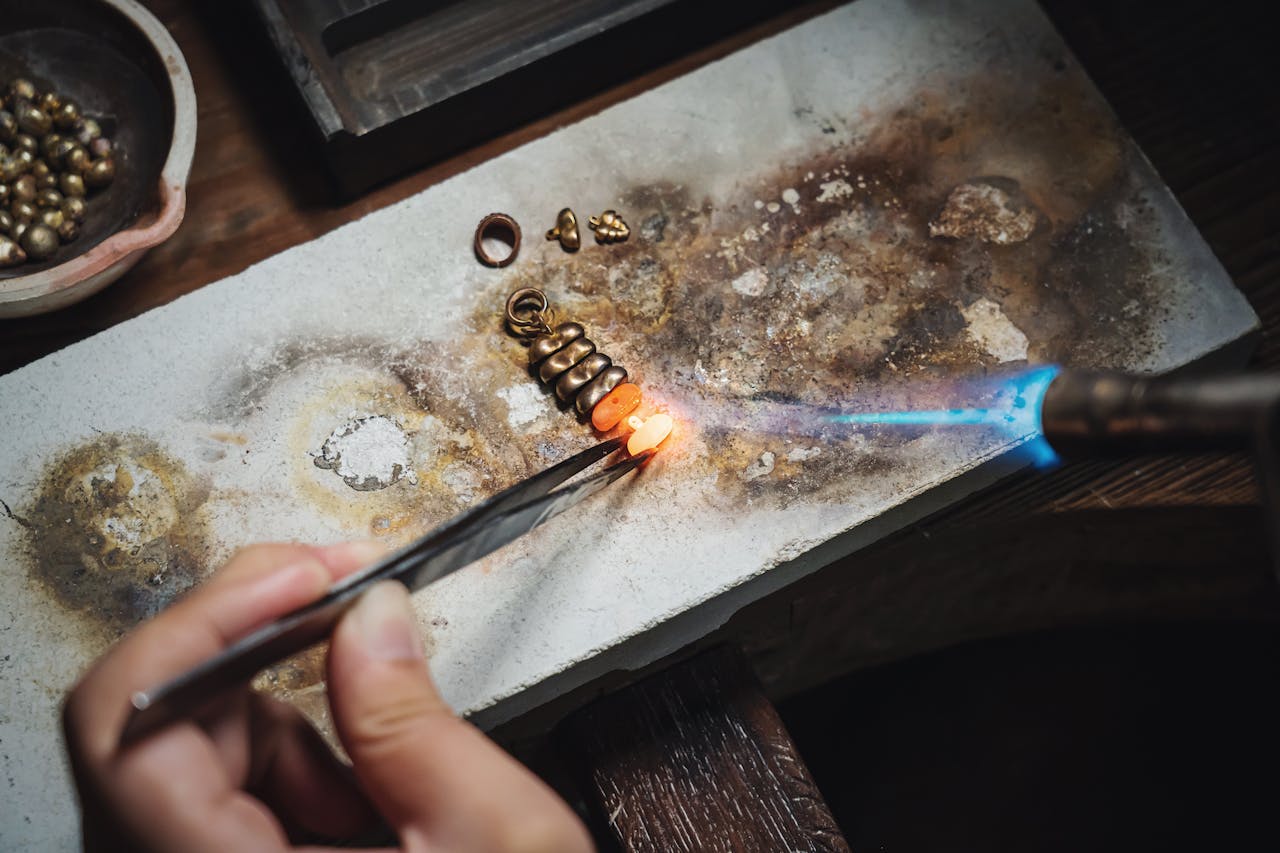
Starting a goldsmithing apprenticeship can feel like entering a new world. From the tools to the workflow, everything is unfamiliar at first, and you’re learning by doing. For many in Alberta who are drawn to jewellery making, this kind of apprenticeship is a key first step in becoming a skilled craftsperson. It blends learning, tradition, and hands-on practice in a way that opens the door to a lifelong career.
Unlike typical classroom learning, a goldsmithing apprenticeship places you right in the middle of the process from day one. You won’t just see how pieces are made – you’ll begin to understand why each detail matters. Whether you’ve grown up working with your hands or you’re just starting to explore the craft, this kind of training helps you build both skill and respect for the work involved.
What to Expect on Your First Day
The first day of your apprenticeship usually kicks off early. Most jewellery workshops in Alberta operate during standard business hours, so expect consistency in the daily routine. You’ll meet your mentor or lead goldsmith, along with other members of the team. It’s a lot to take in, but every introduction is a door to future learning.
A tour of the workspace is a common part of day one. Each piece of equipment has a designated spot, not just for efficiency but for safety too. You’ll quickly learn that even small tools like files or saws must be handled and stored with care. Understanding the flow of the workshop helps you settle in and prepares you for what comes later.
Safety protocols will be part of your early orientation. This includes how to handle tools, when and how to wear protective gear, and guidance for managing chemical by-products and metal fragments. Goldsmithing involves open flames, sharp blades, and acids, so safety is something that’s stressed right from the start.
You’ll also be introduced to some of the key tools, such as:
1. Files and sandpaper for shaping
2. Pliers and tweezers for precision tasks
3. Polishing cloths for finishing work
4. Bench pin and vise for stability
5. Saw frames for cutting
At this stage, you’re not expected to remember everything perfectly. You observe, ask questions, and help where appropriate. That could mean cleaning up workspaces, collecting scrap metal, or getting materials ready for a project. These simple tasks lay the groundwork for deeper learning.
By the end of the first day, you might be tired and possibly even overwhelmed, but that’s perfectly normal. If you’re the right fit for the workshop, you’ll also feel a spark of inspiration. You’re beginning to understand the rhythm of the shop and your role within it.
Daily Responsibilities and Tasks
Once the initial orientation is behind you, your days will begin to settle into more structured patterns. Under the eye of a lead goldsmith, you’ll begin to take part in the shop’s daily flow.
You’ll help with setup before each day starts by prepping workspaces. Once projects are underway, your responsibilities could include:
– Cleaning and returning tools to their proper place
– Sorting and preparing raw materials like metals and stones
– Polishing finished pieces
– Gathering precious metal scrap for reuse
– Performing basic filing and finishing jobs
You’ll begin practising key techniques during quiet times. For example, learning how to solder or how to file a flat surface takes patience and repetition. Often, you’ll work with less expensive metals at first, like copper or brass, before moving on to materials like gold or platinum.
Progress might seem slow initially. That’s expected. Early on, it’s more about developing proper habits and learning how each task contributes to the final product. You may find yourself setting a small stone one day and learning to polish a ring the next. These foundational techniques will stay with you throughout your career.
As your skills grow, a noticeable shift will happen. Tools begin to feel more comfortable in your hand. You’ll start to recognize errors before being told. Small victories like getting a clean polish or drilling a centred hole become moments of real pride.
Developing Your Skills Over Time
Over the weeks and months that follow, expect steady improvement as you build on what you’ve already learned. You’ll be trusted with more tasks and introduced to new tools. Some apprentices begin handling basic repairs, soldering, or shaping their first components during this time.
Mentors will continue to provide feedback. That could mean showing you quicker methods, pointing out tiny gaps in your work, or helping you spot where a technique needs refining. It helps to stay open and ask questions, especially when something feels off. Feedback is part of growth.
Repetition is your friend during this phase. You’ll practice the same technique repeatedly until it becomes second nature. It could be sawing, soldering, or polishing. Each practice session shapes your hands and eyes to work with accuracy, which is the key difference between hobby-level work and professional-quality craftsmanship.
With experience comes responsibility. By the middle or end of your apprenticeship, you could be working on more complex tasks like ring sizing or setting bezels. As each piece of the process becomes more familiar, you start to see how everything fits together. That’s when real confidence begins to form.
Navigating Challenges and Celebrating Successes
Apprenticeships can come with plenty of frustrating moments. Whether it’s breaking a saw blade or filing an edge unevenly for the third time, setbacks are part of the experience. What matters most is sticking with it.
It’s common to repeat similar tasks over and over, refining details each time. Mistakes will happen. Sometimes the metal won’t behave, or your timing will be off. Overcoming those missteps is where the learning lives.
When motivation feels low, take note of even small gains. Maybe your solder seams are smoother this week, or your technique feels more comfortable. Recognizing progress points can keep your energy up.
Here are a few easy ways to track and celebrate growth:
– Keep a journal of milestones or improvements
– Snap a photo of a piece you’re proud of
– Ask your mentor for a weekly focus area
– Review older work to see how far you’ve come
Even when your progress feels invisible to you, others around you will see the improvement. Staying consistent and thoughtful about your practice builds a foundation that lasts.
Preparing for Your Future as a Goldsmith
As your apprenticeship nears completion, it’s time to look ahead. Some apprentices find a permanent place with their current mentor. Others begin looking at different workshops or even plan to open a studio of their own. Either path can be rewarding.
Think about what parts of the craft energize you most. Whether it’s custom design, repair work, or hand fabrication, knowing your preference can guide your next steps.
Alberta has a strong community of makers. Getting involved in local events, visiting exhibitions, or simply introducing yourself to other jewellers can help you grow your network. Making these connections can open up new opportunities and keep you inspired.
Remember, your growth doesn’t end with your apprenticeship. Staying up to date with new tools and techniques helps you stay sharp. The evolving nature of jewellery design means there’s always something more to learn. Keeping your curiosity alive is just as important as perfecting your techniques.
Crafting Your Journey with Daniel Sommerfeld Jewelry
At Daniel Sommerfeld Jewelry, we know the journey from apprentice to skilled goldsmith takes time, effort, and great mentorship. Over the years, we’ve helped many new jewellers gain practical, in-depth experience right at the bench.
Our approach values hands-on learning and attention to every detail, no matter how small. With guidance from our experienced team, apprentices get to work directly with fine materials while learning time-tested techniques in a professional setting.
If you’re passionate about jewellery making and looking for a supportive environment to grow in Alberta, we’re here to help you take that next step. Whether your goal is to become a trusted bench jeweller or a creative designer, your path can start here, one piece, one task, and one day at a time.
Thinking about turning your passion for jewellery into a meaningful craft? A goldsmithing apprenticeship with Daniel Sommerfeld Jewelry could be the perfect place to start learning hands-on and refining your skills alongside experienced professionals in Alberta. Let’s help you take the first step toward a fulfilling future at the bench.