

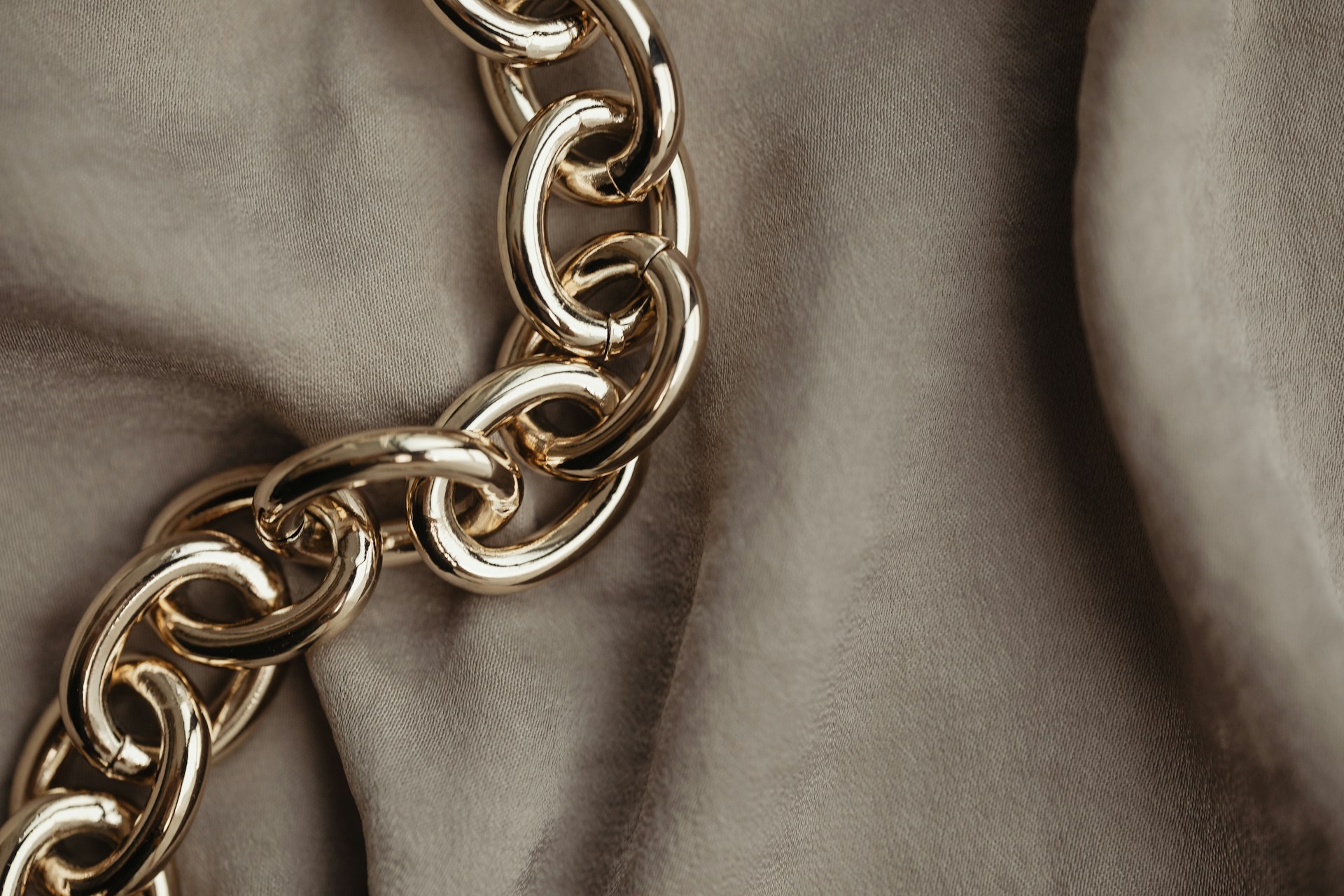
When custom jewelry makers work on a chain, it’s never just about picking a pretty style or matching a pendant. There’s real planning involved. That might surprise people, especially when chains seem simple at first glance. But any maker who’s been doing this for a while knows how often small mistakes like weak clasps or thin links can turn into big problems. That’s why we focus on thoughtful design from the very beginning.
A good chain should feel strong and move the way it’s supposed to. It should hold up against winter coats, scarves, and dry indoor heat, especially here in Alberta, where busy mornings often mean pulling jewelry over layers of thick clothing. Below, we’re sharing how we work to avoid the common missteps that can lead to breakage or frustration.
Understanding How Chains Fail
Chains break. It happens all the time, but usually, it’s avoidable. Somewhere in the build process, something didn’t hold up.
• One of the most common issues we see is when a single link gives out. That might be from a weak connection, poor soldering, or links stretched too thin to carry their load. The problem often shows up after repeated strain from pulling clothing over the head or catching the chain on a zipper or button.
• Clasps are another weak point. If they’re too small or not well-aligned with the chain’s weight, they come undone easily, or worse, snap completely.
• Cold temperatures make things worse. Metal becomes less flexible, and delicate chains can kink or stiffen, especially if the piece is already thin or underbuilt.
Sometimes these failures come from rushed fabrication or off-the-shelf parts. Basic production chains often skip over the careful adjustments we make to suit a person’s daily life, style, or habits. That’s why a deep understanding of usage and environment always comes first when we start crafting a chain.
Intentional Design Choices That Prevent Mistakes
There’s solid thinking behind every link we attach. Nothing is random. Our goal is always to design with wearability in mind, for today, and ten years from now.
• It starts with length. A layer-friendly chain for winter has to be long enough to wear outside sweaters or high collars, but short enough not to snag. We look at where the customer wears their pendants and how the chain will lie against their body.
• Then, the shape and style of the links matter more than most people think. Tighter, rounder links move differently than flatter, wider ones. A well-chosen link type can shift comfortably with your skin and reduce tangling, especially during winter when scarves and jackets come off and on throughout the day.
• Flexibility matters just as much. If a chain doesn’t slightly give under pressure, it becomes brittle over time. Strong but flexible chains last longer and reduce the chance of sharp bends or link stress.
Custom jewelry makers take the time to get these details right. We think about how the chain will behave under real-world conditions, not just how it looks under the display lights.
Matching Chains to Pendants and Necklines
A good-looking chain means nothing if it doesn’t support the pendant it’s holding. The weight, drop, and shape of a pendant have to work with what’s suspending them.
• Heavier pendants need thicker chains or tighter links to carry their weight. A thin, delicate chain might look right at first, but under stress, it’ll wear out at the connection points.
• We look at necklines too. A chain meant for a V-neck top doesn’t behave the same way as one meant to lie just above the collarbone. Drip, curve, and tension all affect how well a chain complements the pendant and the person.
• Off-the-shelf chains aren’t designed with your pendant in mind. That’s why light pendants sometimes slide, or heavy ones pull the clasp around to the front.
This is where customization really pays off. By pairing the right chain build with the right jewellery piece, it becomes easy and natural to wear, whether it’s meant for quiet days or formal wear.
Material Matters in Alberta’s Cold Months
Winter here is no small thing. Metal responds to the cold in very real ways, and good chains must keep up.
• Certain metals go brittle in sharp temperatures, especially when they’re worn daily and exposed to varying conditions. The last thing you want is a chain that stiffens in the morning chill and snaps when you enter a dry heated room.
• That’s why we often choose specific alloys based on how they’ll react throughout the season. Metals that stay stable under shifting temperatures and moisture levels allow for longer wear and less maintenance.
• Regular winter wear calls for surface protection too. Moisture from snow, oils from scarves, and friction from bulkier clothing can rub away fine finishes quickly. Taking care of your chain by wiping it down and keeping it stored dry helps keep those problems small.
When designing chains through this season, we keep the reality of Alberta’s environment in mind. The right material choices make all the difference in how often someone has to replace or repair their piece.
Invisible Details That Make a Chain Feel Strong
You don’t always see the most important parts of your chain. They’re not visible, but they hold everything together.
• Strong chains start with reinforced solder points. Where each link closes, we’re checking for clean joins with no weak edges that might catch or pull apart. It’s slow work, but it makes the piece smoother over time.
• Finishing takes patience, but it matters. A smooth surface helps prevent the necklace from pulling hair or catching on threads. Kinks and rough corners cause stress fractures later down the line, especially with repeated bending.
• Finally, clasps are chosen for more than just style. We think about how easy they are to use with different hand sizes or during cold months when fingers are stiff. Then we size and match them to the strength of the chain, so they hold securely through daily use.
If the little things are skipped, your chain will let you down. But with careful finishing and well-tested connections, even a delicate-looking necklace can become a strong part of your daily wear.
Built for Alberta: The Lasting Value of True Craftsmanship
Jewellery from Daniel Sommerfeld Jewelry is always hand-fabricated and never cast, which means every chain and joint is shaped for both strength and beauty. The shop’s commitment to quality can be seen in our custom engagement rings and everyday pieces, all crafted for real Alberta living, no matter the season.
Each chain reflects decades of experience in working with gold, platinum, and other fine metals, ensuring your piece is not only visually striking but designed for day-to-day durability in Alberta’s climate.
Experience the artistry of jewelry design at Daniel Sommerfeld Jewelry, where durability meets elegance, especially during Alberta’s cold seasons. Our expert team takes pride in building each chain with precision and care, ensuring that your piece withstands daily wear and the harshest conditions. Discover how our custom jewelry makers craft stunning, strong pieces tailored just for you. Let us turn your vision into reality by creating jewelry that matches your style and stands up to Alberta’s climate.