

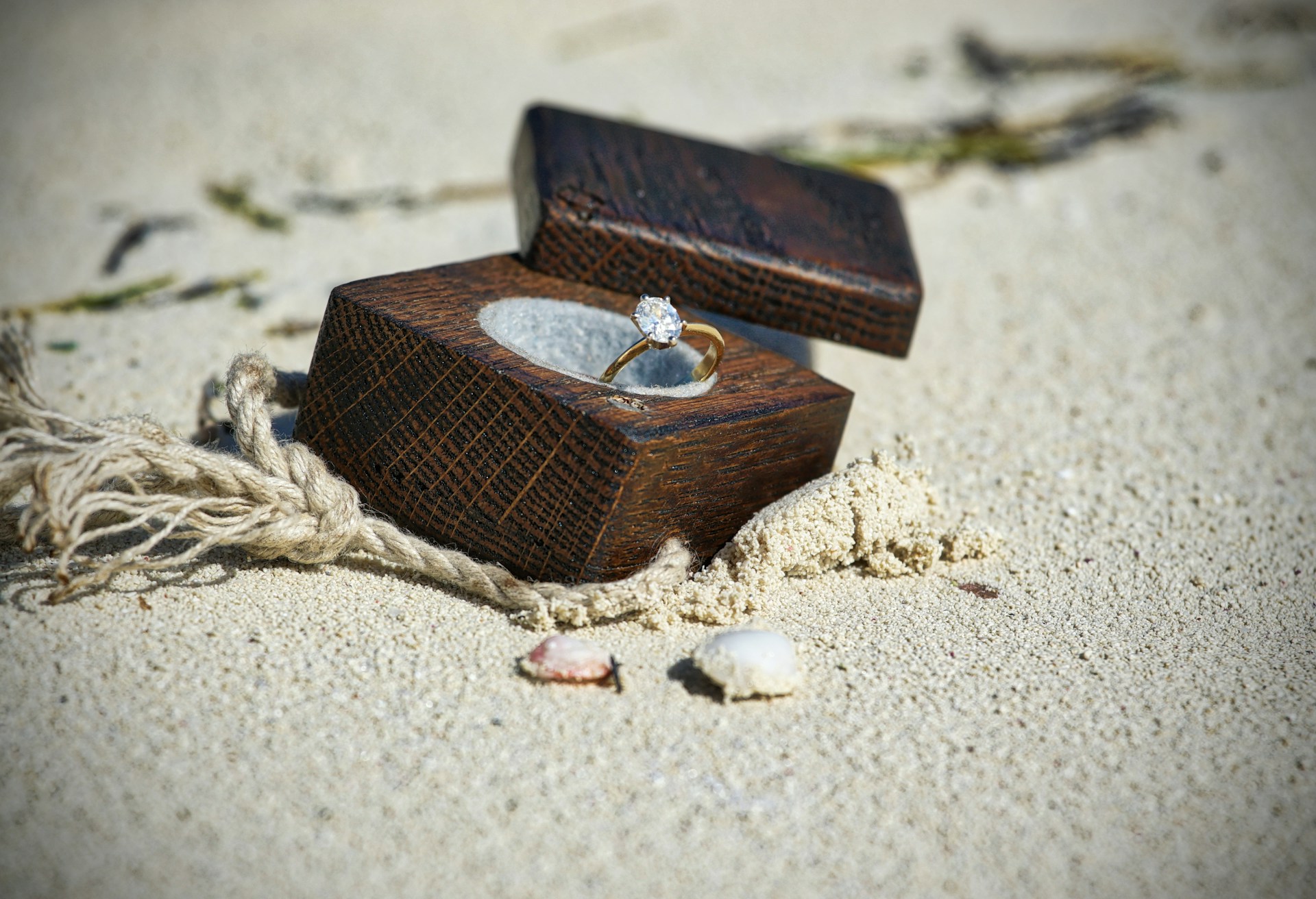
Choosing an engagement ring is a big deal, and for some people, the classic styles just don’t cut it. Enter the engagement ring with tension setting — a sleek, contemporary design that gives the illusion of a gemstone floating between the band. Its minimal look and strong presence make it a favourite for those who want something different and eye-catching. The clean lines and open setting bring focus to the stone, letting it shine front and centre without distraction.
But as striking as it looks, a tension setting also comes with a few things to keep in mind. It’s not for everyone, and it helps to know what you’re getting into before you make the leap. Whether you’re already wearing one or just considering your options, understanding the unique structure of a tension setting can help you care for it better and know what to watch out for long term.
Understanding Tension Settings
Tension settings hold the gemstone in place using pressure from both sides of the band, instead of small prongs or a bezel. The design creates a gap in the middle of the band where the stone is carefully placed. It appears suspended in air, clamped tightly between each side of the ring. The pressure used is measured and controlled during fabrication so that it holds the gem firmly without damaging it.
This style stands apart from traditional settings in a few key ways:
- No prongs, claws, or bezels covering the gem
- More light enters the stone from all sides, increasing flash and brilliance
- The ring’s band tends to be wider or thicker to provide enough tension strength
- Sizing must be exact right from the start
It’s a bold look that fits well with modern styles or minimal designs. People also turn to tension settings when they want their centre stone to take full attention, with no metal blocking the view. The visual impact is strong, and the structural engineering behind these rings is impressive when done well.
Many people also find meaning in the way the gemstone looks like it defies gravity, held in perfect balance. It’s easy to see why this style is chosen for engagement rings, which often represent strength and unity. Still, the design comes with some unique challenges to consider.
Common Issues With Tension Settings
While most tension settings are engineered to be strong, their design does have a few limitations that are worth knowing. These rings hold the gemstone in place under a very specific amount of pressure. If that pressure balance is affected, issues can arise.
One common concern is the stone becoming loose or falling out if the ring gets bent or hit hard. Unlike prong settings that might bend without losing the stone instantly, a tension setting depends on exact measurements. If the band is distorted by force, the tension holding the gem can weaken. For people with active routines or physical jobs, this could become a drawback.
Another issue is resizing. Because the structure relies on precision, resizing a tension setting can interfere with how tightly it holds the gemstone. Changing the size of the ring can throw off the balance, meaning future adjustments are often discouraged. That’s why getting the correct size from the start is so important.
These rings are also more sensitive to pressure. Knocking the ring against something hard or using your hands for heavy work might affect the setting. Everyday examples like gripping a barbell, carrying heavy objects, or even gardening can all put unintended strain on the band.
Maintenance is another consideration. While all jewellery needs care over time, tension settings demand specific attention. The pressure-holding structure must be checked by someone familiar with the design, not just anyone offering cleaning or polishing. Small shifts in the band’s shape or pressure point can go unnoticed until the stone is at risk of falling out.
Identifying Quality In Tension Settings
Not all tension settings are created equal. What sets a fine tension setting apart is the quality of materials used and the skill involved in its creation. Strong metals, experienced craftsmanship, and thoughtful design all make a difference.
Here’s what to look for:
- The band feels heavy and solid rather than thin or lightweight
- The gemstone fits securely with no visible gaps or shifting
- When touched gently, the stone doesn’t wobble or move
- The band finish is smooth and free of tool marks or rough areas
- The ring uses durable metals like titanium, platinum, or other strong alloys
Some of the highest quality settings have subtle built-in support you might not notice at first glance. These hidden features, like tiny grooves or undercuts, offer extra security without affecting the clean look of the design.
Before you buy, ask how the ring was made. A good jeweller should be open about their fabrication approach. Do they discuss stress testing? How they adapt the setting to different stone shapes or sizes? This kind of transparency usually shows that effort and care went into making each piece.
Caring For Your Tension Setting Ring
Once you own one, keeping your tension-setting ring safe and beautiful comes down to good habits. These rings are strong, but staying on top of your care routine can help avoid future problems.
Here are some useful tips:
- Take off the ring when using tools, doing heavy lifting, or physical work
- Avoid harsh chemicals like bleach or acetone that could damage the band or stone
- Clean it using warm water, mild soap, and a soft toothbrush
- Dry with a lint-free cloth and avoid air drying
- Store it safely in a padded box or pouch, away from other jewellery
- Don’t try to bend, fix, or reshape the band yourself
If you notice anything unusual, such as the gemstone shifting or the gap in the band appearing uneven, take it in for inspection. An expert who understands tension settings will know the right way to check for problems and how to fix them properly without damaging the design.
It’s a good idea to have your ring checked at least once a year, not just for cleaning but to ensure the structure is still secure. That way, your ring stays safe and continues to look its best.
Keeping Your Engagement Ring Sparkling
An engagement ring with tension setting is a bold and striking choice for those who love clean, modern designs. Its floating gemstone design turns heads and never goes unnoticed. With its open layout and sleek look, it’s both simple and stunning.
That said, this kind of ring works best for those willing to care for it properly and who understand how the setting works. From picking a high-quality piece to following the right care routine, every step counts when choosing a tension setting.
These rings can stand the test of time when made by skilled hands and treated with care. Whether you’re exploring your first option or adding to an existing jewellery collection, knowing what to expect helps you wear your ring with confidence. With the right maintenance and professional help when needed, your tension setting can hold its beauty for many memorable years to come.
Choosing an engagement ring with tension setting can be both exciting and a little challenging. For those who appreciate the innovative design, exploring our collection is a great next step. With the right piece, you can enjoy a beautiful and practical expression of love. Count on Daniel Sommerfeld Jewelry to help you find the perfect fit for your unique style.