

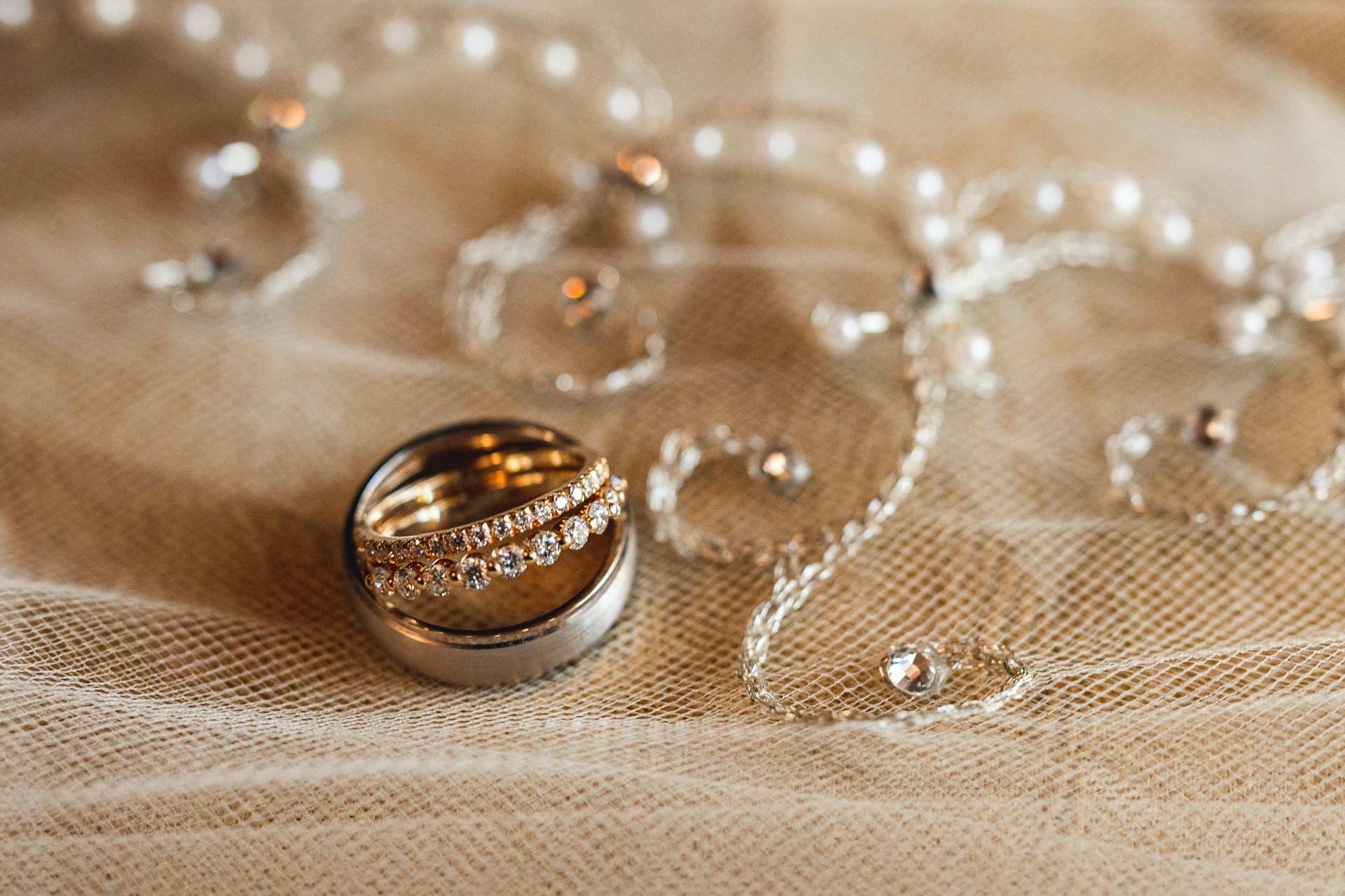
Starting your first jeweller apprenticeship week is a big step, especially if you’ve never worked in a workshop or handled fine materials before. It’s a hands-on experience that brings you face-to-face with the real tools, techniques, and people behind every finished piece. There’s a lot to take in, but that’s what makes it exciting. You’re not just watching, you’re doing. You’ll be expected to learn quickly, ask questions, and keep a sharp eye on how things are done.
It might feel like stepping into a whole new language at first. You’ll hear terms you’ve never come across, use tools you’ve never handled, and face expectations that may feel intimidating. That’s completely normal. Apprenticeships are meant for learning, starting from the foundation. Mistakes will happen. What matters is paying attention and being open to guidance. This is your chance to understand the work behind the beauty, and it all starts with the basics.
Starting With The Basics: Understanding Tools And Materials
Before you can begin crafting or repairing jewellery, you’ll need to get familiar with your bench. Your first few days will likely be spent learning the names and functions of tools and how to use them properly. Even intricate pieces begin with something simple, like files, saws, pliers, and torches. Becoming comfortable with these tools is the first step toward understanding the entire process.
You’ll also learn about the different materials used in jewellery making. Gold, silver, platinum, and gemstones all respond differently to heat, pressure, and shaping. Pearls, in particular, demand extra care. Knowing how materials behave helps prevent damage and teaches you to treat each component with the right technique.
Expect to be introduced to:
– Proper grip techniques to avoid damaging delicate parts
– Keeping your workspace clean and organized
– Using safety gear like gloves and goggles when heating or cutting
– Telling the difference between metals and knowing the right use for each
– Using measurement tools for metal thickness and stone sizing
– Spotting wear or defects in reused materials
Tool care matters too. A worn file or a bent set of pliers can slow you down or even ruin a project. Learning how to maintain your equipment is just as important as using it. The more you work with your tools and materials, the smoother your work will become.
One apprentice shared that just picking up a saw frame felt overwhelming. It seemed flimsy, and they couldn’t cut in a straight line. But with a little help adjusting hand position and posture, they were soon cutting clean lines through metal sheet. Like anything new, it just takes practice and patience.
This is the time to ask questions, even if it feels like everyone else knows more than you. Understanding the basics now makes the rest of your work much easier and more enjoyable later.
Learning The Craft: Hands-On Training And Techniques
Once you’ve been introduced to the tools and know how to handle materials safely, it’s time to get hands-on. This is where things get really exciting. You start putting everything you’ve learned into action and begin to understand what makes jewellery-making both an art and a skill. At this stage, you’ll be doing a lot of repetition, especially during your first few days.
You might start with small projects that help you build precision and control. Possible tasks include:
– Practising straight cuts with a jeweller’s saw
– Filing and smoothing metal edges
– Learning clean soldering techniques without damaging nearby elements
– Shaping wire into loops or basic frames
– Adjusting flame sizes for different soldering needs
You might not dive into more difficult jobs right away, but the early tasks are just as important. They set the foundation for more advanced work later. You’ll likely get tips from your trainer that may sound minor at first, such as the way to angle a file or how to brace your hand. But these little things make a big difference in the final result.
Some areas take longer to master than others. Stone setting, for example, demands precision and calm, while soldering takes a feel for heat. Your first tries might not be perfect, and that’s okay. What counts is learning, adjusting, and recognising what works and what doesn’t. Over time, you’ll get a sense of what parts of the process you enjoy most.
You’ll probably find yourself redoing certain tasks. That’s perfectly normal. Practising these basics helps you gain the confidence needed to tackle more complex pieces in the future.
Observing And Assisting: Gaining Insights From Experienced Jewellers
Watching experienced jewellers at work is one of the most valuable parts of your first week. It shows you the flow, the pace, and the attention to detail that goes into every step of the process. You’ll likely spend time shadowing them closely and noting their techniques and approach. Many of the lessons you’ll pick up during this time aren’t taught in manuals—they come from watching with focus.
During your first week, your duties might include some of the following:
– Observing how senior jewellers organize and manage their workspaces
– Prepping materials and arranging components needed for a job
– Handing over tools and cleaning work surfaces
– Organizing finished pieces and restocking materials
– Asking questions during pauses in the work
– Listening to how jewellers solve problems and make design choices
Taking notes can be helpful, especially when you see a technique that isn’t immediately clear. One apprentice recalled understanding stone setting far better after seeing it done live rather than from a diagram. Watching someone with years of experience navigate a delicate task gives you a real-world understanding that books don’t always provide.
Being willing to assist shows your commitment. Most senior jewellers remember their own early days and recognize the learning curve. They won’t expect perfection from you, but they will value your attitude, attention to detail, and interest in learning.
Building Professional Skills: Communication And Customer Interaction
While the technical side is key, jewellery-making is also a people-oriented profession. You’ll often be in contact with customers or watching how your mentor speaks with them. Whether it’s taking in a custom request or walking someone through a repair, clear communication and patience are key. This usually starts on day one by simply listening and observing.
Even if you’re not doing the talking yet, pay close attention to conversations. They teach you how to explain materials, timelines, and challenges in a thoughtful, respectful way. Jewellery is often deeply personal, and customers appreciate clarity and kindness.
Tips for this part of the week include:
– Listen closely and wait for pauses before speaking
– Observe how experienced staff explain materials or scope of work
– Notice how professionalism is expressed through tone and wording
– Stand tall and keep your posture welcoming and respectful
– Understand when to speak and when to ask for help
– Focus on being helpful rather than giving answers you’re unsure of
Your presence, attitude, and presentation matter as much as your technical ability. Being neat, punctual, and polite builds trust. These are the things that make customers and coworkers feel comfortable around you.
This doesn’t mean you need to become an expert in sales. It’s about developing your role in a team that delivers quality and care with every interaction.
Keep Showing Up and Stay Curious
Your first jeweller apprenticeship week in Alberta might feel like a blur at times. One moment, you’re filing metal, and the next, you’re watching a custom piece being finished by hand. That mix of activity and pace is part of what makes it so interesting. It reminds you that every detail has a reason, and every step has a purpose.
Each part of your week—learning tools, assisting others, practising techniques, improving communication—builds toward your future in this craft. It’s not about being perfect. It’s about taking part and paying attention.
As you continue your apprenticeship journey, say yes to new opportunities. Even the small tasks can carry big lessons when done with care. If you feel behind or unsure, remember that each jeweller you admire now also started right where you are.
Keep your focus sharp, your questions honest, and your hands steady. With time, patience, and consistent effort, you’ll not only learn to make jewellery—you’ll start to think like someone who belongs in the shop.
To dive deeper into a jeweler apprenticeship and understand how Daniel Sommerfeld Jewelry supports aspiring craftspeople, explore how our team’s experience and dedication shape every piece we create. This look into our Alberta-based craftsmanship can inspire your path forward in the jewellery-making tradition.