

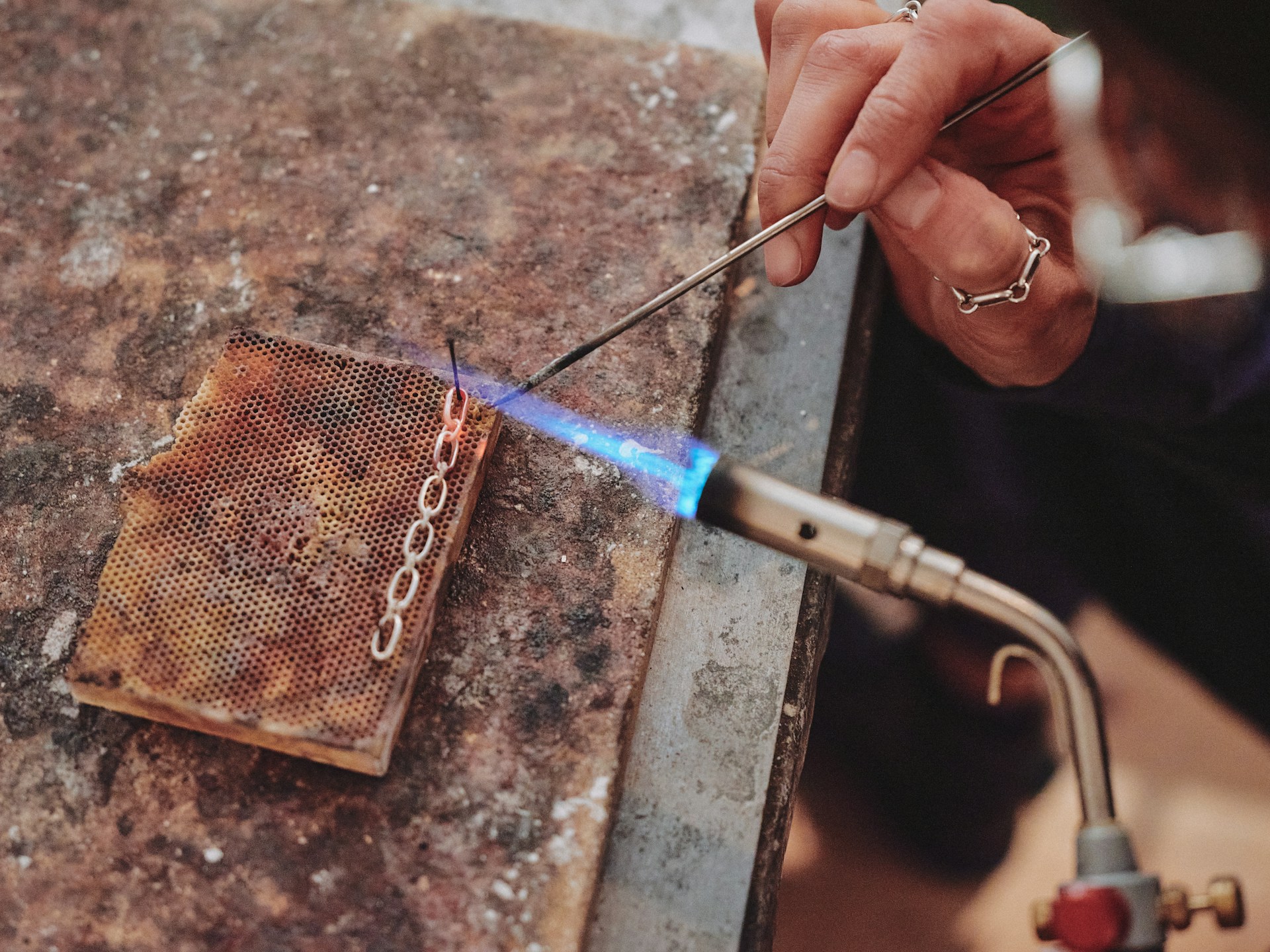
Starting your first goldsmithing class can feel exciting and a little overwhelming. Whether you’ve been sketching jewellery ideas in your notebook for years or recently got inspired by a handmade piece, learning how to create your designs with your own hands is a big step. It’s more than following instructions. It’s about building skills, getting comfortable with new tools, and tapping into your creativity.
To get the most out of the class, it’s worth preparing ahead of time. Knowing what to bring helps you stay focused, reduce stress, and make your time at the bench more productive. If you’re attending goldsmithing classes for the first time in Alberta, here’s a rundown of what you should pack before walking through the studio doors.
Comfortable Clothing and Safety Gear
Jewellery-making involves sharp tools, heat, and sometimes heavy equipment. That’s why the clothes you wear matter just as much as what you bring in your bag. You’ll want to wear something that helps you move easily but also keeps you safe.
Loose or flowy clothing can easily get caught in rotary tools or open flames, which makes fitted clothing the better option. Long sleeves are fine as long as they are snug at the wrists. If you have long hair, tie it back. You’ll be leaning over a bench most of the time, so skip bulky accessories or anything that hangs loose.
Here’s a quick list of what to wear or pack:
1. Closed-toe shoes with non-slip soles (preferably leather or another sturdy material)
2. Lightweight jeans or long pants
3. Fitted shirt with short sleeves or close-fitting long sleeves
4. Hair tie or headband
5. Cotton or leather apron (check if your studio provides one)
6. Safety glasses or goggles
7. Dust mask if working with materials that give off fine particles
Each studio may set its own safety requirements. If you’re not sure what’s expected, it’s best to ask before your first class. Using safety gear that fits well lets you focus on the things that matter most, like learning and experimenting with your techniques.
Basic Tools and Materials
The tools you’ll need often depend on the type of class and the studio’s setup. Beginner classes usually give you a list in advance, but it’s always a good idea to double-check with your instructor.
Most first-time students won’t need a full bench of tools but might be expected to bring a few basics. You’ll likely start by working with practice metals to learn how to saw, file, solder, and finish simple designs. If asked to bring your own materials, you may need items like copper or brass along with any stones or sketches you’ve been assigned.
A few common tools for beginners might include:
1. Saw frame and blades
2. Flat and half-round files
3. Sandpaper (various grits)
4. Chain nose pliers and round nose pliers
5. Rawhide or plastic mallet
6. Soldering pick and tweezers
7. Steel ruler
8. Permanent marker
Studios often have shared tools available, especially for first-timers. Still, having your own familiar tools helps you build comfort faster. Tools that fit well in your hand make it easier to control your work and fine-tune your techniques. If you’re unsure where to find the right toolkit, many jewellery supply shops offer starter sets, or you can ask your instructor for tips.
Notebook and Pen
Bringing a notebook and pen might seem like a small detail, but it can make a real difference. You’ll be learning a lot of information quickly. Writing things down as you go helps you remember techniques, tips, and sequences step by step.
Your notebook can also be a great place to sketch out ideas, note favourite tools, or track measurements. Instructors may offer quick tips or techniques mid-demo that are hard to recall later unless you capture them in the moment. Also, ideas can strike anytime during class, so having a place to sketch or jot them down is helpful.
To get the most value from your notebook:
1. Leave space under each entry in case you want to add extra thoughts later
2. Use one page per project to keep things tidy
3. Keep a list of new terms or tool names
4. Draw diagrams or shapes if they help more than words
5. Write down questions to ask your instructor later
Phones can work for notes too, but during hands-on activities, pen and paper tend to be faster and less distracting. Plus, it’s easier to glance down at a notebook while handling your materials.
Positive Attitude and Patience
Goldsmithing can be fun and satisfying, but it also takes focus and care. The learning curve can feel steep at first. Tools might feel tricky to handle. Your results may not match your expectations right away. That’s okay. All of that is part of the process.
Bringing an open mind and some patience to class is just as important as your tools. You’ll probably make some mistakes in your first session. For example, your saw might veer off-track, or your solder might not flow exactly where you want it. These things happen to everyone and are part of how your skills grow.
Go at your own pace. Everyone in the class is working from a different starting point, and comparison won’t help. Focus more on consistency than speed. Celebrate small wins like learning how to make a clean cut or finishing a well-filed edge. These steps build your skills the right way.
When things don’t go smoothly, try to stay light-hearted. If a piece cracks or a joint fails, it’s a chance to ask questions and understand what went wrong. Turning those moments into learning experiences helps you build confidence for the future.
Keep Your Jewellery Looking Stunning
Knowing what to bring to your first goldsmithing class in Alberta is more than just a checklist. It’s also a way to feel confident, ready, and open to learning something new. The more prepared you are, the more you can focus on building your hand skills and enjoying the process.
Wear gear that keeps you safe and lets you move freely. Bring the tools and supplies your instructor recommends. Keep a notebook handy to track everything you learn. And most importantly, pack your patience and enthusiasm.
Learning goldsmithing is about progress, not perfection. Over time, you’ll notice how your confidence grows and your hands find steadier movements as you apply what you’ve learned. You’ll get to see your designs come to life, one sawn edge, solder line, or polished surface at a time.
Each class adds to your skill set. Every mistake becomes a step forward. So whether your first creation is a pendant, a ring, or a test piece that never makes it to a final design, it still holds value. You’re gaining the skills to try again and getting closer to creating the kind of jewellery you’ll be proud to wear or share.
If you’re feeling inspired to take your skills to the next level, exploring goldsmithing classes with Daniel Sommerfeld Jewelry is a great next step. Learn how our long-standing dedication to design and craftsmanship can help spark your own creative journey.