

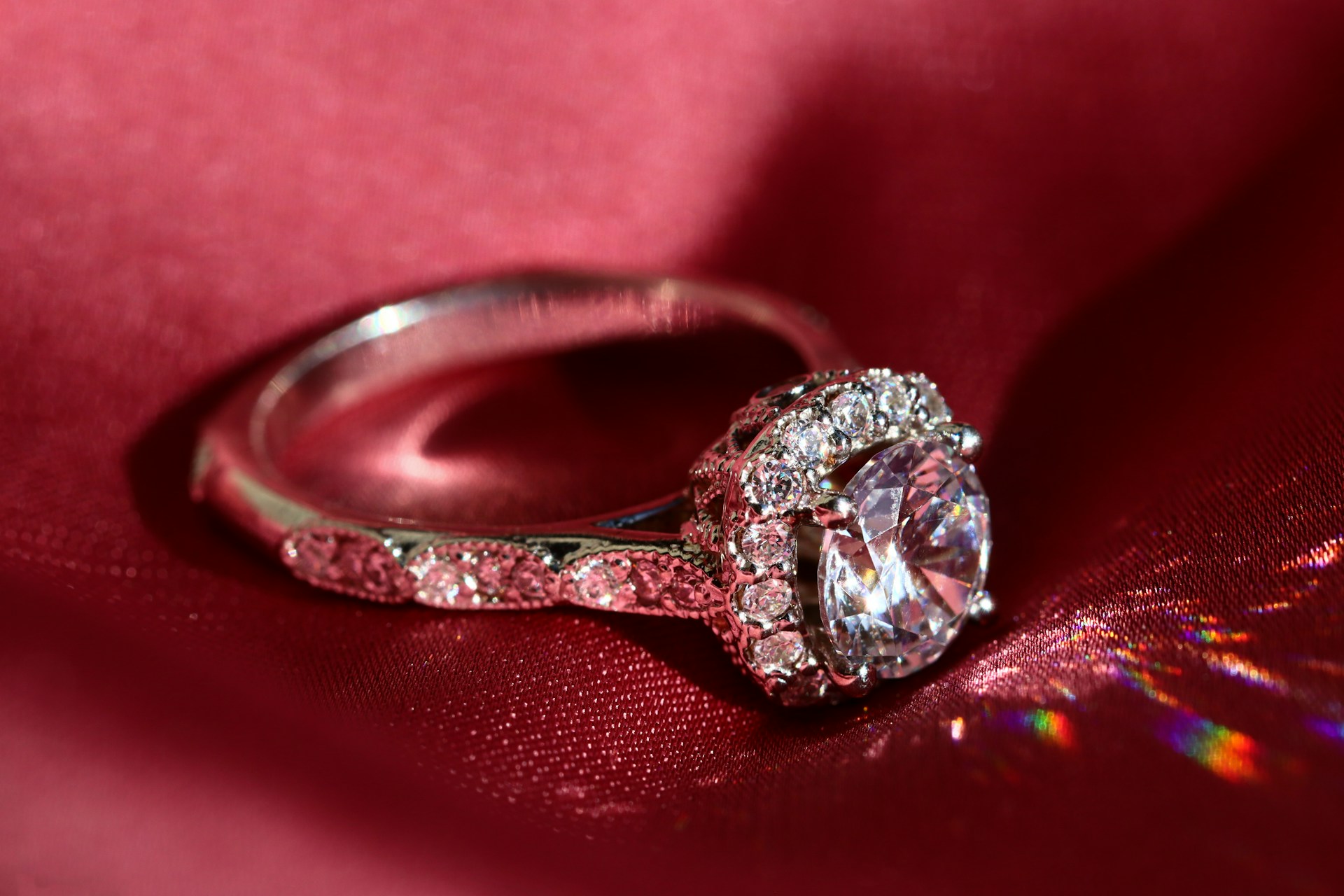
Tension-setting diamond rings are known for their sleek beauty and clean, modern design. Instead of prongs or bezels, the diamond is held securely by the pressure of the band itself. It gives the stone a floating look, which is a big part of why many people fall in love with this style. But because the setting depends so much on exact tension and alignment, it’s important to keep an eye on its long-term condition.
Over time, regular wear can affect how well the diamond sits in its place. Changes might be subtle at first, but ignoring them can lead to more serious damage. A ring that once felt snug, looked perfect, or held your diamond tightly may begin to shift in ways that put your stone at risk. Knowing what to look for means you can take action before anything goes wrong.
Loose or Shifting Diamond
One of the easiest signs to spot is if the diamond no longer feels secure in the band. If you gently rub your fingertip across the stone and it wiggles or moves, even slightly, that’s something worth paying attention to. A tension-setting depends entirely on equal pressure from both sides of the band to keep the diamond still. If either side loses that grip, the whole balance is off.
Here are a few signs your diamond might be loose:
1. It rotates or shifts under light pressure
2. You hear a faint clicking sound when tapping the ring near your ear
3. You feel a slight movement when the ring bumps into a surface
4. There’s a visible gap between the diamond and one or both sides of the band
These signs are often easy to miss in day-to-day life. You may not notice them unless you’re specifically looking. Activities like carrying bags, gripping gym equipment, or resting your hand on a hard surface can all cause minor impacts that slowly loosen the stone.
Some people try pressing on the diamond to test its security, but this can actually make things worse if something’s already loose. It’s better to rely on careful observation. If you notice anything off about how the diamond sits, it’s time to get it looked at. A quick evaluation from a professional could prevent a bigger issue, like losing the stone entirely.
Visible Gaps or Misalignment
Tension settings are all about perfect contact between the diamond and the metal. When your ring was first made, everything was aligned exactly as it should be. With time, and especially with occasional knocks or temperature changes, that precision can change.
A telltale sign of trouble is a visible gap that wasn’t there before. Take a look at the side of the ring. Can you see a sliver of space between the diamond and the metal band on one or both sides? Even small gaps can be a warning sign.
Other signs of misalignment might include:
1. One side of the diamond sits slightly higher or lower
2. The band itself appears slightly bent or uneven
3. The diamond looks off-centre
4. Light reflections across the stone appear skewed or uneven
These details might seem minor, especially if the ring still looks good overall. But because tension settings depend on even force distribution, even a tiny change in pressure can make the diamond less secure.
Everyday wear plays a big role in these changes. A ring that scrapes across a countertop, gets knocked against a doorknob, or gets squeezed from holding tools can gradually shift out of axis. That’s why it’s smart to check your ring now and then in good lighting. A close-up inspection could reveal a small problem that’s easy to fix if caught early.
Ring Feels Different or Uncomfortable
A tension-setting diamond ring should feel smooth and balanced on your finger. If it starts to feel different, don’t ignore that. Maybe it suddenly fits tighter or shifts more than usual. These are signs that something may have changed internally in the structure or shape.
Be mindful of these sensations:
1. The ring presses differently against the side of your finger
2. It spins without much resistance
3. You feel scraping or pinching in spots that used to feel fine
4. The ring just doesn’t feel quite right, even if it looks okay
In Alberta, late June often brings warmer weather, which naturally leads to a bit of swelling in the hands. Trying the ring on at various times of day can help you figure out if the change is just from heat or something more.
We once helped someone whose ring bothered her mostly at night. She couldn’t figure out why, until we discovered the band had been tweaked slightly after catching on her coat. That tiny shift was enough to loosen the diamond while also making it uncomfortable on her knuckle.
Trust the feel of your ring. You wear it often, and if it suddenly feels off, it’s worth having a professional check it out. Rings don’t just change overnight, so small discomforts can point to bigger structural changes in the setting.
Professional Inspection and Maintenance
Tension-setting rings need more than just casual attention. Even if you don’t see or feel anything wrong, it’s good to have them inspected regularly by someone who understands the precision involved. A trained jeweller can spot what most people will miss.
Here’s what happens during a proper inspection:
1. Checking the pressure balance across the band
2. Looking for tiny cracks or signs of metal fatigue
3. Verifying diamond alignment with proper tools and lighting
4. Making fine adjustments to restore full tension and original fit
Because tension settings don’t use prongs or bezels, there’s no extra safeguard holding the diamond. That makes their upkeep especially important. Think of them as a blend of engineering and design, and both parts need to be preserved.
If you’ve had your ring for a while, or taken it on trips or through big events, that’s an ideal time to have it checked. Even changing temperatures can affect how the ring fits your finger. We recommend booking a seasonal checkup, especially after a particularly active time of year.
Trust repairs and adjustments only to professionals who work regularly with fine jewellery. Trying to bend or adjust a ring at home usually creates more problems than it fixes.
Cherish Your Diamonds with Confidence
Tension-setting diamond rings are timeless and elegant, but they need proper care to stay that way. When something feels, looks, or fits differently, that can be a sign of deeper changes in the ring’s structure. A small shift might seem like nothing, but it risks your diamond coming loose or even falling out.
Paying attention to fit, checking for gaps, and noticing looseness helps you stay ahead of problems. Acting quickly means protecting one of your most meaningful keepsakes. With some professional upkeep and regular observation, your tension-setting ring can last for many years without trouble.
These rings are made to last, but they do their best when cared for by experts. If you notice even the smallest sign that something’s not quite right with your ring, the safest step is always to bring it in for a proper check.
If your ring could use a little extra attention or you’re curious about the unique beauty of a tension-setting diamond ring, Daniel Sommerfeld Jewelry offers designs that combine expert craftsmanship with lasting strength. Explore our collection to find something that fits perfectly, both in design and durability, and keep your favourite pieces looking their best with guidance from those who know them inside and out.