
Stepping into your first goldsmithing course is a big and exciting moment. Whether you’re hoping to build a long-term skill or just exploring something new, there’s a lot to look forward to. The craft is hands-on, creative, and rewarding. Learning it starts with something very simple: understanding the tools.
Having the right gear from the start can make all the difference. It helps you stay focused on learning and creativity instead of fiddling with the wrong tools or struggling with poor setups. With so many options out there, it’s easy to feel unsure about what you actually need when you’re just starting out. This article resets the focus by keeping things simple, so you know what to bring to your first day and how to get the most out of it.
Basic Tools For Beginners
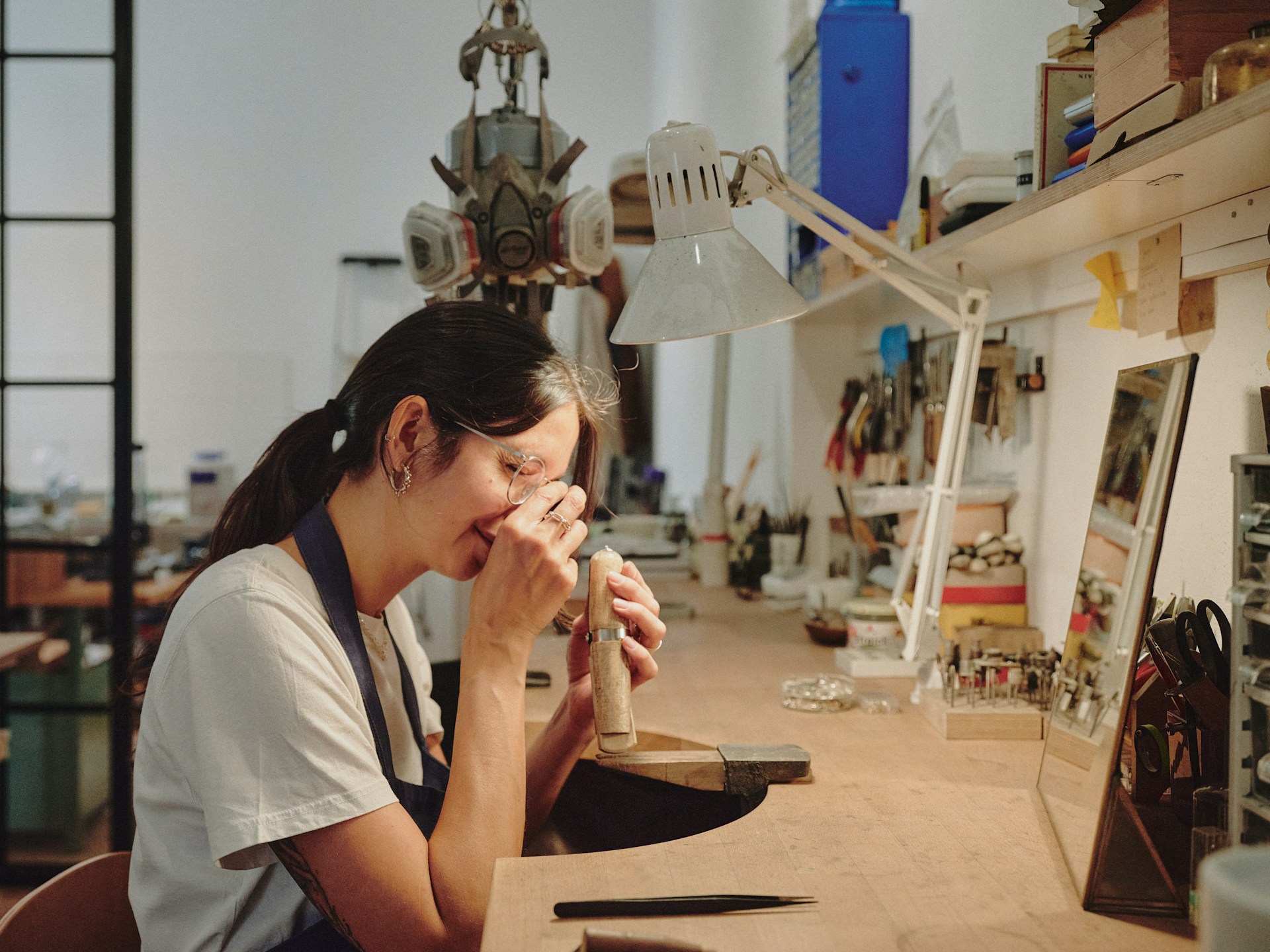
Goldsmithing begins with a few key tools that support almost every project, whether that’s a simple ring or a detailed pendant. These tools give you control, precision, and a sense of how metal responds to each action.
Here are a few important items to have in your basic kit:
- Jeweller’s Saw – Best used for cutting metal into shape. It comes with changeable blades fitted for different metal thicknesses.
- Pliers – Round-nose, flat-nose, and chain-nose pliers all serve a purpose, like shaping, gripping, and twisting fine wire or sheet.
- Files – Needle files and hand files smooth out rough edges and help shape your designs once cut.
- Rawhide or Nylon Mallet – These help form metal without marking or damaging the surface.
- Bench Pin and Clamp – Used to stabilise your metal while sawing, sanding, or drilling. A secure pin makes detailed work easier and safer.
- Ruler and Scribe – A ruler helps with measurements, while a scribe leaves fine metal markings that guide your work without smudging like a pencil would.
When shopping for tools, try to prioritise quality over price. It might feel easier to go for a budget set at first, but poor-quality tools can make your projects harder or even damage your work. Instructors or local tool shops in Alberta can often recommend brands or let you try them out before you buy.
Start small. These few pieces are more than enough to handle most of the tasks in your first course. As you progress, you can slowly build out your setup based on your needs and interests.
Safety Gear And Workspace Setup
Goldsmithing isn’t only about beauty. It also means working with heat, sharp edges, and fine materials. So safety is something to always pay attention to, especially when you’re starting out.
Plan to have:
- Safety Goggles – They protect your eyes when you’re sawing, drilling, or soldering.
- Apron – Go with one made from leather or fire-resistant fabric to shield your clothes and your body from hot debris or tools.
- Gloves – Useful in certain parts of metalwork, but they may need to be removed for tasks that require more hand precision.
When it comes to your workspace, a little planning helps a lot. Most beginner courses will take place in a shared studio, but if you’re practicing at home in Alberta, you’ll need a space that’s clean, steady, and well lit. A small, sturdy desk will do in the beginning. Attaching a bench pin and placing a good gooseneck light nearby can turn it into a simple starter station.
Keep everything tidy and within reach. A clutter-free space reduces distractions and the chance of accidents. Make sure your surface is not wobbly, and give yourself enough room to move comfortably.
Alberta’s cold winters can impact your setup too. If your at-home workspace is in a garage or basement, it’s worth checking the temperature. Cold fingers don’t handle tools well, and numb hands can affect your precision. Dress warmly enough to stay alert and able throughout your work session.
Understanding Metals And Soldering Tools
Before grabbing a torch or bending your first sheet of metal, it helps to understand what you’ll be working with.
Common beginner metals include:
- Sterling silver – Soft and flexible, great for learning new techniques.
- Copper – Inexpensive and perfect for practice.
- Various gold alloys – Often introduced further into your training, different karats behave differently.
To form and connect these metals, you’ll need a few specific tools:
- Mandrels and Anvils – These help shape your metal into curves or round forms like rings or bangles.
- Ring Clamps – Hold pieces tightly while you file or sand.
- Soldering Torch – A small torch heats pieces and melts solder to bond metal together.
- Flux – This clear liquid stops oxidation and helps the solder flow.
- Solder – Comes in sheets or wire. It fills the join spot when melted.
- Soldering Block – A heat-safe spot like a fire brick or ceramic pad keeps your work surface secure during soldering.
- Tweezers – Heat-resistant options are a must for placing or adjusting delicate pieces while they’re hot.
- Pickle Solution – A safe acid bath that cleans pieces after they’ve been heated, stripping away burn marks and residue.
You won’t be doing advanced soldering right away, but understanding how these tools work builds your confidence. The more you practise, the more you’ll sense how metal reacts to temperature and timing. That awareness is a big part of developing fine goldsmithing skills.
Additional Tools For Building Your Confidence
Once you’re comfortable with foundational skills, you might start trying bigger projects or more complex pieces. That’s a good time to branch out with a few extra tools.
These include:
- Wax Carving Tools – Useful for designing detailed shapes that can be cast into metal.
- Rolling Mill – Flattens metal and adds patterns. Not necessary right away, but nice to have as your work grows.
- Engraving Tools – Used to etch delicate patterns or personal touches onto your work.
- Ring Stretcher or Reducer – Helps resize rings, either by stretching or shrinking.
- Flex Shaft – A rotating handheld tool for buffing, polishing, drilling, and even carving small areas.
You’ll know when it’s time to grow your setup. Start with the basic projects in class and notice what catches your interest. Some learners love engraving delicate shapes, while others head straight for casting. One student in Alberta decided to save for a rolling mill after becoming intrigued with making their own textured metal sheets.
Add tools gradually and only when you feel ready. There’s no need to collect everything at once.
Embarking on Your Goldsmithing Journey
Starting your goldsmithing journey is exciting, especially when you’re equipped with the right tools and approach. Each tool supports your learning and helps bring your creative ideas to life. From your very first jeweller’s saw to advanced carving or polishing kits, everything plays a part.
Whether you’re enrolled in a studio course in Alberta or working from home, keep things streamlined and simple to start. The basic tools are more than enough to get going. Your skills, interests, and projects will guide what tools you might need next.
Goldsmithing comes with a learning curve, but it also comes with a lot of satisfaction. Ask plenty of questions, take your setbacks in stride, and enjoy each step forward. You’re learning to shape metal with your own hands, and with every new project, your confidence will grow.
Ready to dive deeper into your journey as a goldsmith? Learn more about the hands-on techniques and creative dedication it takes by exploring our story of craftsmanship at Daniel Sommerfeld Jewelry. You can also explore related goldsmithing courses to help grow your skills and expand your artistic reach. Let us inspire your path toward creating timeless pieces.