

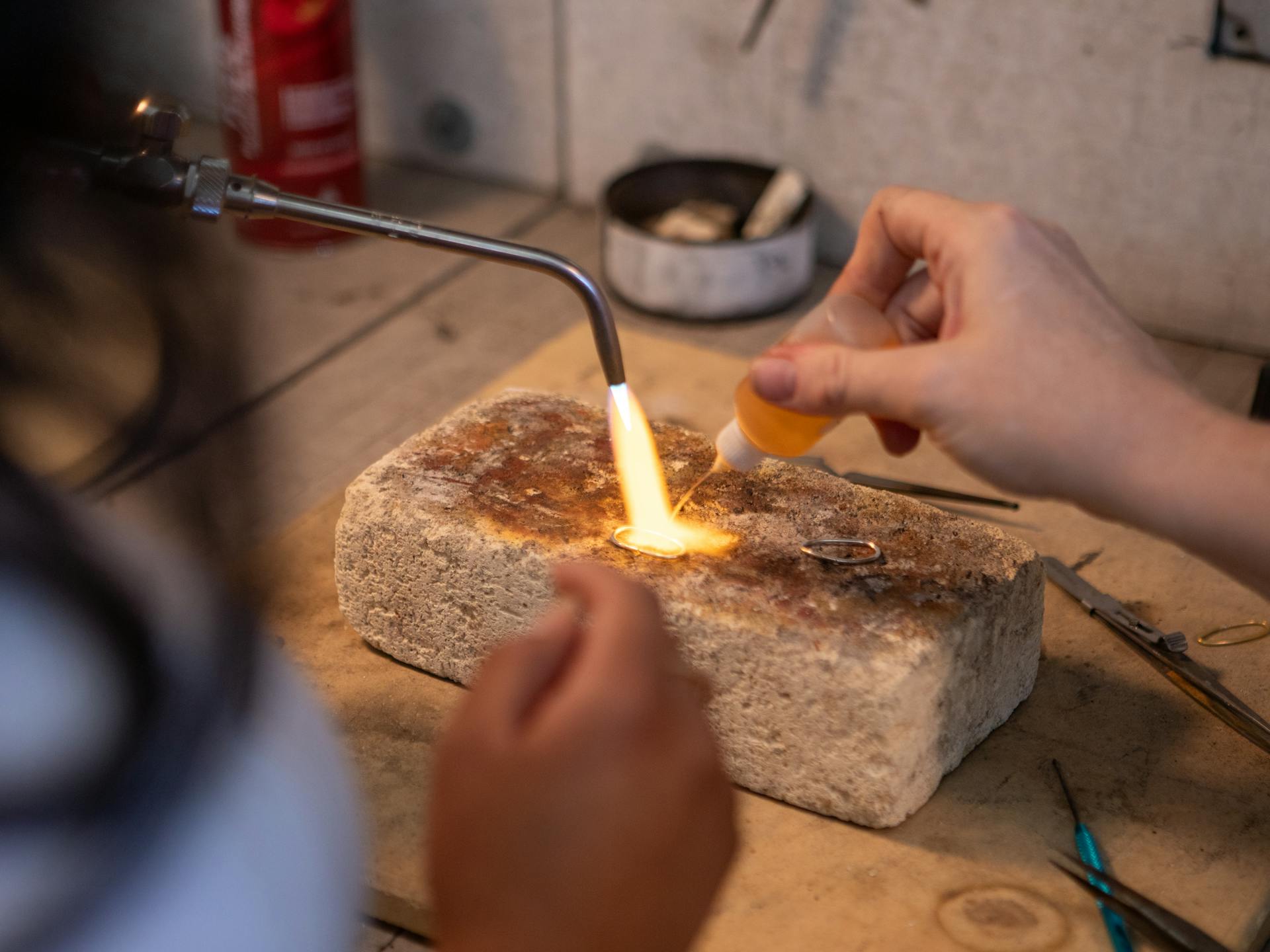
Learning how to work with metal is as much about feel as it is about skill. Goldsmithing attracts people who like working with their hands, figuring things out by doing, and bringing ideas to life one step at a time. For many, the best way to learn is by being in a studio. Others might lean toward structured classes with guidance from instructors. Across Alberta, both options exist. But when you’re trying to decide what suits you, the experience of a goldsmithing apprenticeship stands out as something quite different from a regular course.
Everyone learns differently. Some of us learn best by watching something once and trying it ourselves. Others need more time, more steps, or even a bit of theory before putting tools to metal. That’s why it’s helpful to understand how apprenticeships and classes work, and which path might feel most natural based on how you take in new skills.
A Closer Look at Apprenticeships
When we talk about a goldsmithing apprenticeship, we’re really talking about learning directly in a working studio. That means showing up for a steady stretch of time, maybe weekly or even daily, and absorbing things while doing them. Instead of sitting down at a bench just for an afternoon, you’re part of the full rhythm of work.
- You’ll watch and repeat simple tasks before building toward more complex ones
- You’re often introduced to real design problems and learn how to solve them practically
- Mistakes become learning tools, and redoing things becomes part of the process
Apprenticeships can feel slower at the start, since much of it is about repetition. But that’s where real understanding takes hold. Tightening a joint, filing a clean edge, or soldering something without a bubble, these things take time. Mentorship matters here. Having someone nearby to show you where to look or feel when something isn’t right builds confidence that no book or video can match.
What to Expect from Jewellery Classes
Classes work differently. Most follow a set program with a beginning and an end. You’ll usually get a list of tools you’ll need, a course outline, and a focus for each session. These are great for people who like knowing what’s coming next and want to sample different techniques without committing to the long haul right away.
- Some classes are short workshops over a weekend, while others stretch over months
- You’ll often work in a shared space with others, which makes it more social
- There’s often a project goal, like making a ring or pendant to take home
Classes are useful if you want a structured space with varied learning. But the time on the bench is shared, so you may not get as much time with your hands on the tools. That’s not to say it’s less valuable, it’s just a different type of learning. You pick up a lot by listening to how others think through problems, and by testing out a few different processes in a compact timeframe.
Which Path Suits Different Learning Styles
Choosing between the two often comes down to how you learn best and what kind of experience you’re after. There’s no “right” way to start, it depends on what builds your confidence and keeps you going.
- If you’re someone who learns by doing, a goldsmithing apprenticeship might suit you better
- If you like a bit more structure, or want to try things before investing much time, a class might be the place to begin
- If your availability is limited or you can only commit weekends, then a short course can offer a helpful introduction
We’ve seen people thrive in both spaces. Some learners do a workshop and decide they love it, then seek a longer-term apprenticeship. Others start helping in a studio and later enrol in a class to fill in technique gaps. The key thing is to be honest about how you learn and what you can realistically commit to over time.
The Real-World Studio Advantage
Being in a real working studio adds something you can’t always find in a course. You see how workflow happens when actual deadlines and repairs come through. You’re part of something moving, not just a lesson plan.
- You learn how to set up, clean, and care for tools the way professionals do
- You see how to fix something when it doesn’t go to plan
- You notice the tiny habits that save time and improve the final piece
That last part really sinks in over time. Watching someone adjust their torch height mid-solder or pause to adjust a saw frame teaches lessons that aren’t always written down. You get to understand not just what to do but why it matters. This kind of awareness sticks with you later, no matter what direction your work takes.
How Seasons Affect Studio Learning
Spring and summer have always been good times to learn something new, especially in Alberta where winters are long and cold. By mid-May, snow has mostly melted, roads are reliable, and it gets easier to attend classes or commute to a studio regularly.
- Many schedules open up in spring with new class terms or studio hours
- Warmer weather makes day trips more manageable, especially in smaller towns or rural areas
- The change in season often sparks energy for fresh projects or a new creative focus
If you’ve been putting off taking a class or connecting with a studio, spring is a comfortable season to finally give yourself that chance. You’re not dealing with icy sidewalks or closed highways, and it’s easier to stay motivated when the light stretches further into evening.
Turning Skills Into Something Lasting
Learning to make jewelry is about more than just tools and materials. Whether you’re sitting at a workbench in a quiet studio or standing in a classroom surrounded by others, the goal is the same, building confidence through steady practice. Both paths offer ways to sharpen your eye, train your hand, and trust your instincts.
There’s no single way to become skilled. What matters most is choosing a path that fits how you like to learn and remembering that every hour spent working, whether guided or solo, moves you forward. Whether you start with a goldsmithing apprenticeship or take a class to test the waters, the work you put in is what shapes your growth. Every mark made, every mistake corrected, adds to something more steady over time.
Exploring a goldsmithing apprenticeship in Alberta can reshape how you approach jewelry making, offering a hands-on learning experience that builds skills from the ground up. At Daniel Sommerfeld Jewelry, we provide the environment and mentorship you need to thrive creatively at your own pace. With our seasoned artisanal guidance and dedicated studio hours, you can master the art of jewelry making one step at a time. Curious to embark on this rich journey? Reach out to discover how we can support your growth.