

If you’ve been thinking about stepping into jewellery-making, late summer is a solid time to start planning. A jeweler apprenticeship isn’t something most people rush into. It takes a bit of reflection and the right timing to feel ready. Whether you’re fresh out of school, shifting careers, or just deeply curious, it’s worth slowing down and learning what this kind of experience actually involves.
A jeweler apprenticeship might sound exciting on paper, but it comes with real hands-on work and commitment. If you’re in Alberta and looking at the months leading into fall, now’s a good time to pause and think seriously about how you’d approach this kind of learning. Let’s walk through the parts worth understanding before you jump in.
Know What a Jeweler Apprenticeship Really Involves
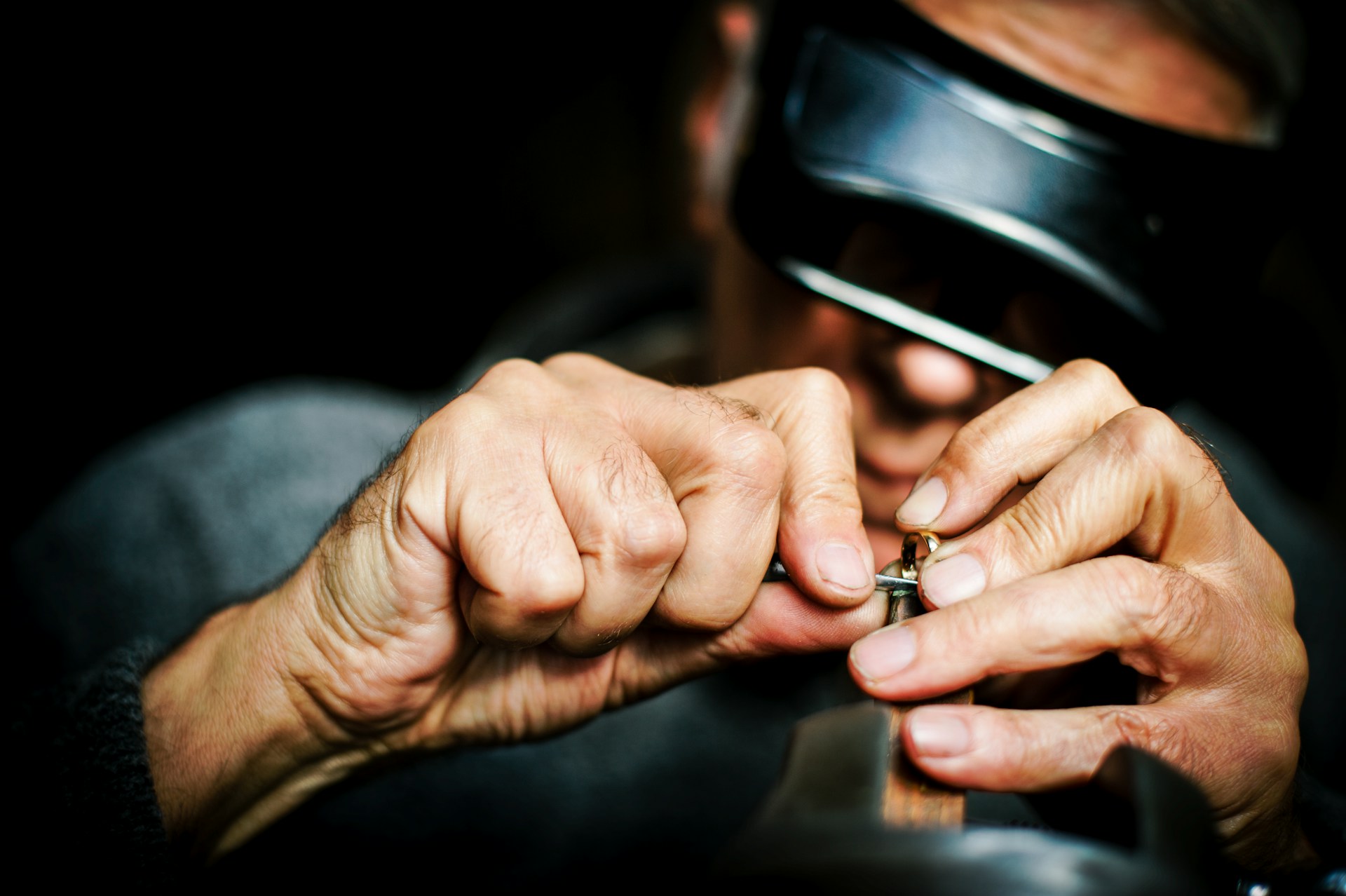
Jewellery work may look neat and polished when it’s finished, but getting there is anything but quick. Most apprentices start by watching, prepping, and learning a few building blocks at a time. Tasks often include:
- Hand polishing and finishing techniques
- Learning how to solder pieces together
- Basics of stone setting and working under magnification
- Care and handling for different tools and materials
You won’t just sit and take notes. You’ll use your hands more than anything else. That’s a big difference from classroom training. In a studio setting, it’s messy, detailed, and slow at first. But that kind of tactile learning is what builds real skills over time.
The speed you learn at also depends on the space. Every shop is different. Some might let you start experimenting early on, while others take more time before handing you tools. The pace usually reflects the kind of work they do and how they manage their studio rhythm.
Ask Yourself Why You Want the Experience
Before applying or reaching out to anyone, stop and ask yourself why you actually want to learn this craft. Are you hoping for a career out of it? Curious to test your skills and patience? Interested in making things by hand? There’s no wrong answer. But being honest helps line up your expectations.
Some people want to make jewellery long-term. Others just want to see what life in a shop feels like before committing fully. Whatever your reason, knowing it can guide how you show up. It also helps you ask better questions along the way.
Late summer is a quiet pause before fall ramps up with new projects and planning. That makes it a good time to reflect and notice if the draw you feel is more than just passing interest. There’s value in not rushing it.
Understand What Will Be Asked of You
Studios expect more than creative excitement. Apprenticeships include routine work that keeps the shop moving. You might spend your days cleaning tools, sweeping benches, or checking inventory. It’s all part of learning, even when it doesn’t feel artistic.
Respect inside a jewellery studio looks like:
- Arriving on time and focused
- Being neat with shared tools and benches
- Listening carefully and asking questions when unsure
- Accepting that skills take time, and progress often feels very slow
No one expects you to be perfect. But effort and care always matter, especially in a trade that values detail and discipline. The first few months can feel like you’re doing everything wrong. That’s normal. Most learning comes from making mistakes and staying alert.
What to Look For Before Committing
Finding the right apprenticeship is about more than availability. It should feel like a place where you can learn openly and safely. That usually means the studio explains things clearly, gives you some access to tools, and is open about how they work.
When you’re exploring options, consider asking:
- Will I be allowed to practice with real metals and tools?
- How often will I get feedback on what I’ve made?
- What safety and shop rules should I know before walking in?
- How long do most apprentices stay or work here?
Don’t be afraid to listen to your gut. If a space feels welcoming and focused, that’s a good sign. Schedule and location matter, but they’re not the whole picture. You’ll be spending time building trust. Picking the right learning space gives you a better chance to grow.
How the Season Affects the Timing
Late August is a great pocket of time to get your plans together. Jewellery work tends to slow slightly at the end of summer before fall routines kick in. That means studios are often a bit more open to talking, showing workspaces, and planning ahead.
Apprenticeships tend to follow the same seasonal rhythms. In colder places like Alberta, studio work shifts indoors for long stretches through winter. That makes fall a natural time to start something new. You’ll begin when things are steady and build habits before the dark season kicks in.
This window is also useful if you’re trying to break up your year intentionally. Apprenticing now means you can build momentum before holiday projects fill the calendar or personal schedules get heavy.
Stepping In With Clear Eyes and Steady Hands
It helps to know what you’re walking into before you ever touch a bench. A jeweler apprenticeship isn’t shiny right away. It’s slow, gritty, and full of detail most people don’t notice. But if you take time now to ask good questions and stay honest with yourself, you’re more likely to leave each day feeling like you’ve learned something real.
This kind of preparation makes all the difference. It puts you in the headspace to observe closely, ask curiously, and accept the process. You’ll bring clearer focus and steadier hands into each step. That’s how long-term skills start, quietly, on the edge of something new.
Are you ready to embark on your exciting journey into the world of jewelry making? At Daniel Sommerfeld Jewelry, we proudly offer a jeweler apprenticeship where you can refine your skills and passion in a supportive and dynamic environment. Our program focuses on real-world, hands-on learning that ensures you gain the practical knowledge needed to succeed. Connect with us today to start your path in Alberta’s vibrant jewelry industry and make your mark with patience and dedication.